
Coding on flexible packaging: TTO vs. UV laser marking

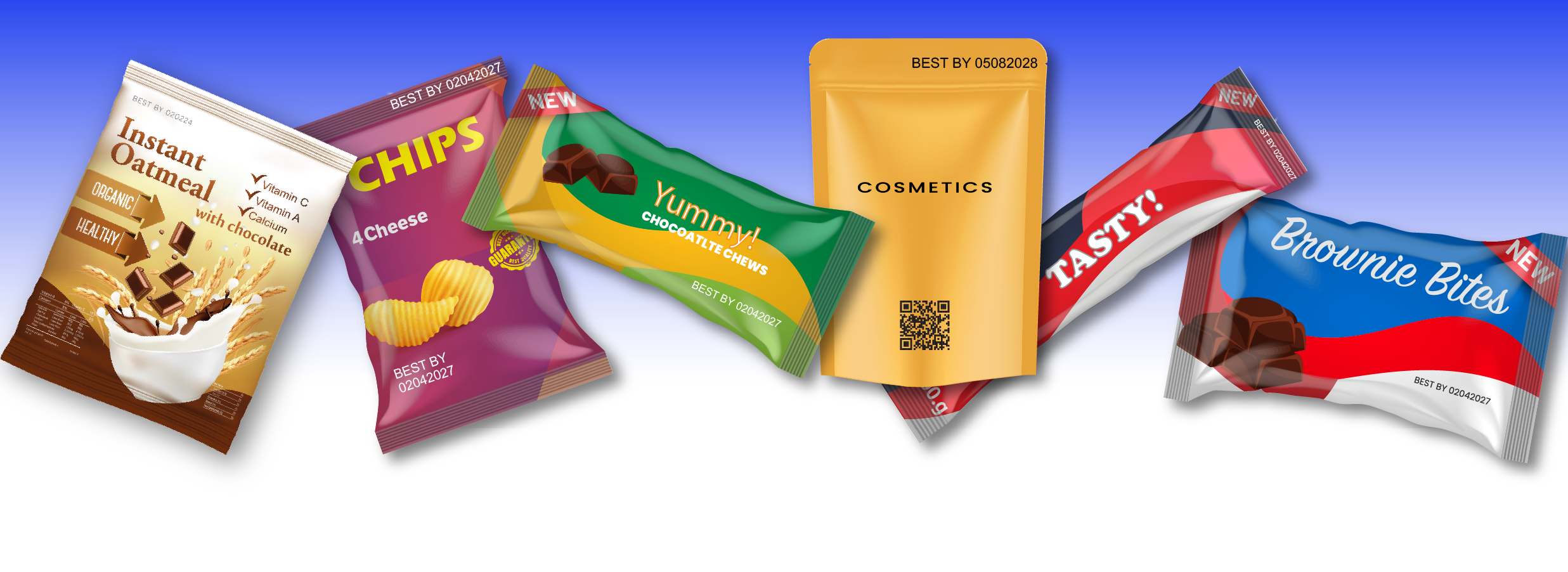
How to choose the right technology for film, pouches, and flow‑wrap applications
New UV lasers, designed to mark directly on certain flexible films, can be mounted in place of a TTO (thermal transfer overprinting) unit, eliminating ribbon use and changeovers. Whether UV lasers or TTO is the better choice depends on the desired code color and content, production speed, and sustainability goals. Testing on your exact material remains the most reliable way to determine fit.
How does thermal transfer overprinting (TTO) work?
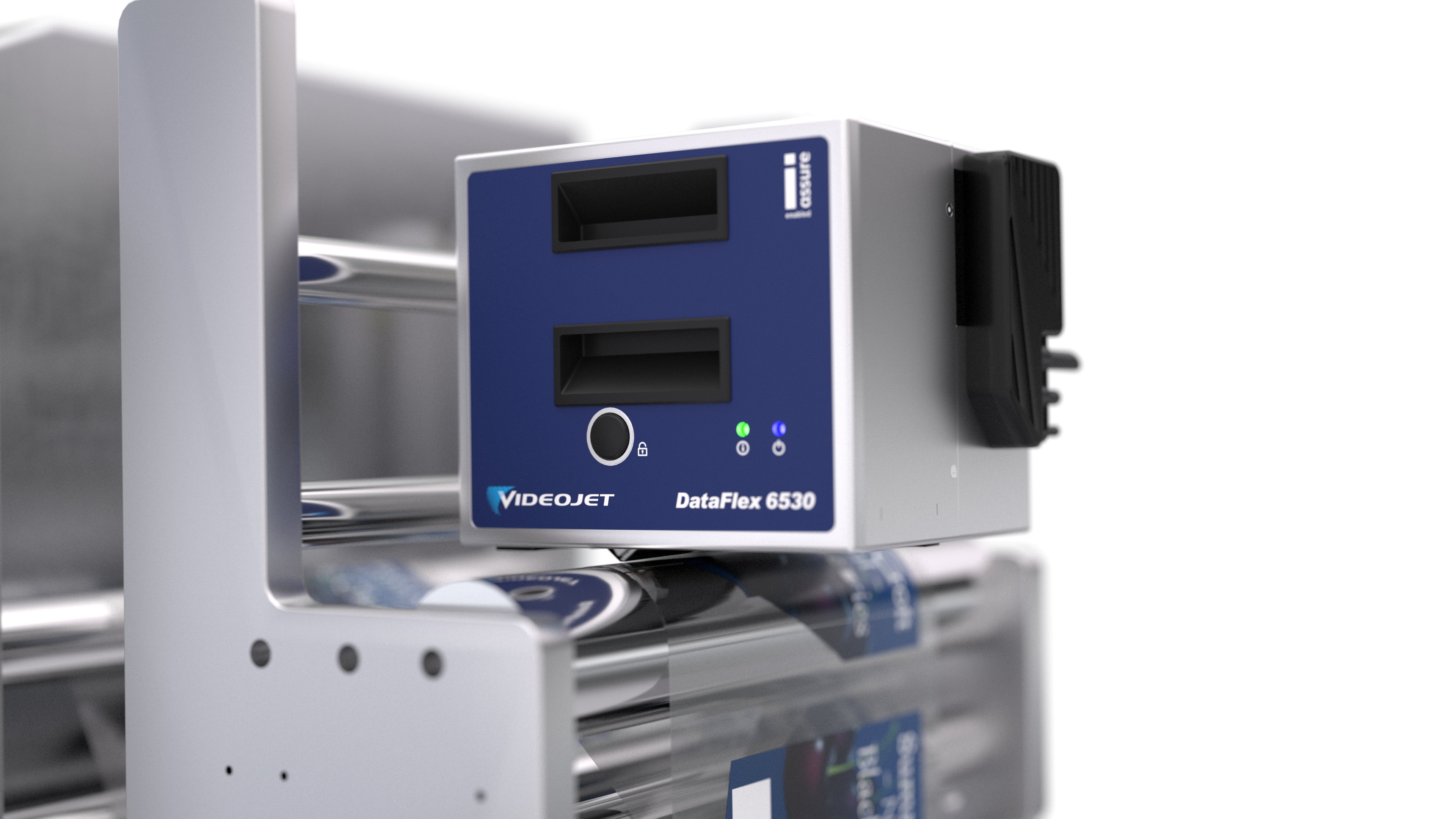
TTO uses a heated printhead to transfer pigment from a ribbon onto the film. It delivers high-resolution, high contrast codes, in a range of colors including an opaque black. It also supports dense content such as logos, long ingredients list and allergen statements, and GS1 2D codes at production speeds. Trade-offs include ribbon consumption, planned line stops for ribbon changes, and ribbon waste handling.
Which applications are best suited for each technology?
UV laser marking is typically best suited when you
- Print one to two lines of variable data such as date or lot codes
- Use white UV receptive films or a white knockout area in the artwork
- Want permanent, ink-free codes with minimal consumables
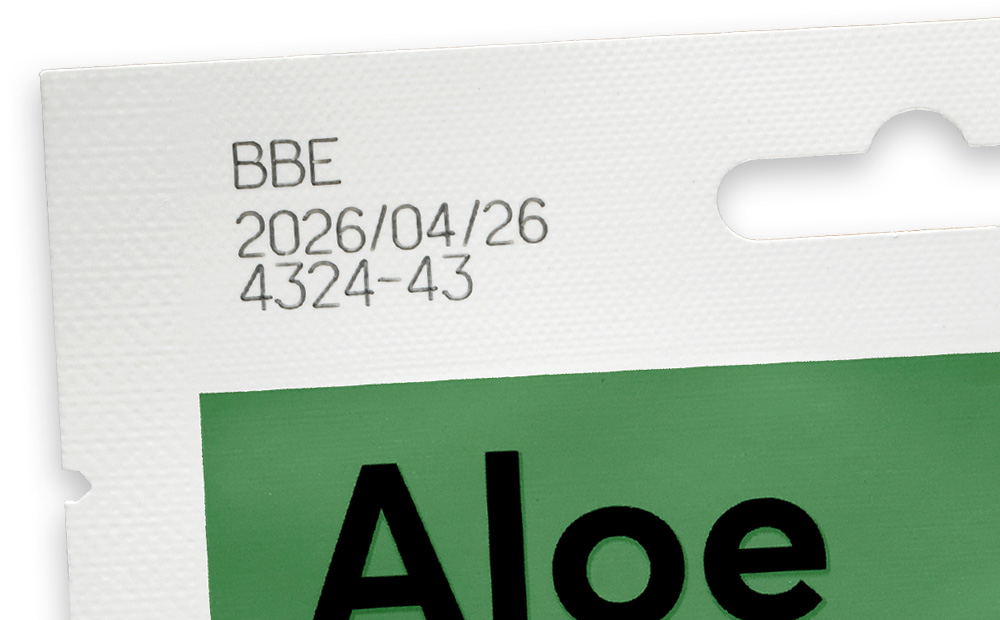
In these scenarios, UV lasers can reduce ribbon inventory and planned changeovers.
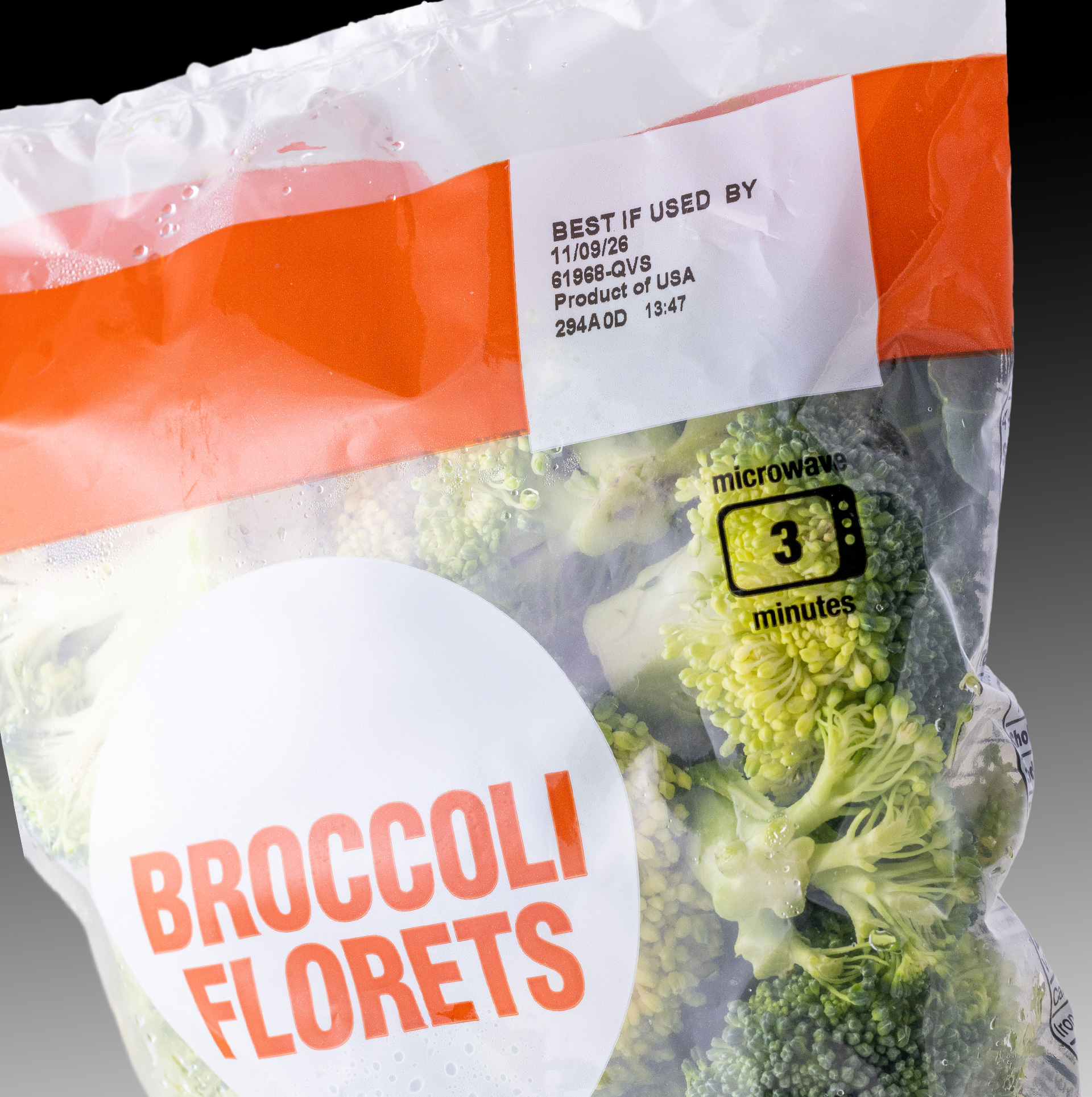
TTO remains the most versatile option when you
- Need opaque black printing on any film color
- Print large logos, long text e.g. like ingredient lists, or 2D codes
- Code on clear or colored films without a knockout
- Require consistent 300 dpi quality while running at line speeds
Five decision factors to evaluate
1. How does a packaging film’s chemistry and color affect coding results?
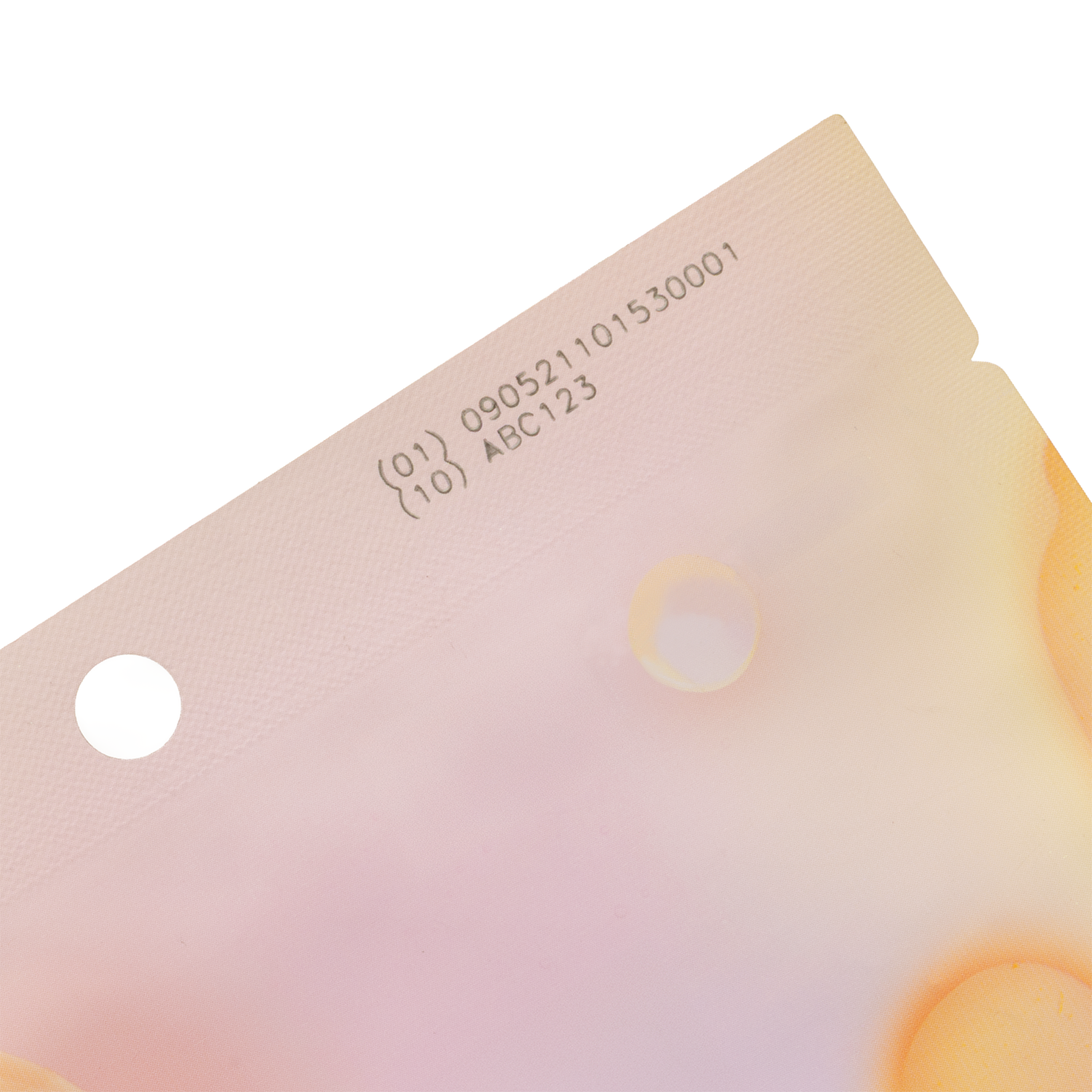
UV lasers generally achieve their best contrast on white films containing titanium dioxide or on a white knock‑out area. Clear films and many-colored films are not ideal unless the design is modified. TTO can produce opaque black and colored codes on a wide range of films without changing artwork.
2. How much content do you need to print and how fast?
UV laser marking systems are optimized for producing short alphanumeric codes. Marking dense 2D codes, long ingredients lists, and large logos at typical food packaging speeds may require compromises in throughput or legibility. Review realistic performance using the laser’s power and marking‑field specifications against your actual message.
3. How do sustainability goals align with operational realities?
The use of a UV laser instead of a TTO unit will eliminate ribbon waste and ribbon‑related line stops. However, fume and particulate extraction filters and laser service over the laser’s life should be considered. UV laser sources and optics have finite lifetimes and should be factored into long-term planning.
4. How do sustainability goals align with operational realities?
In some cases, laser marking systems can be integrated into locations previously occupied by TTO units on HFFS and VFFS machines. However, compatibility cannot be assumed. Each production line must be individually assessed to confirm mechanical fit, working distance, exhaust and extraction requirements, controller placement, and access for operation and maintenance. When changing marking technologies, integration effort should be planned and allowed for, as bracketry, interfaces, and safety considerations may differ from existing TTO installations.
5. How does laser marking affect package integrity and compliance?
Even “cold” UV laser marking should be validated to ensure it does not affect barrier layers or downstream processes such as sterilization, retort, or logistics. Sample lab testing on your packaging film is the safest way to confirm no barrier degradation and code durability.
In short
UV lasers can reduce consumables on compatible films with simple codes while TTO offers greater flexibility across film types and message complexity without requiring changes to the substrate to enable coding.
How do costs and uptime compare in practice?
Potential UV laser savings
No ribbons or printheads to purchase, store, or change saves time. Compared to TTO, UV lasers’ fewer planned stops can improve overall equipment effectiveness (OEE) on compatible films. Validate savings using your required production rates and maintenance practices.
TTO predictability
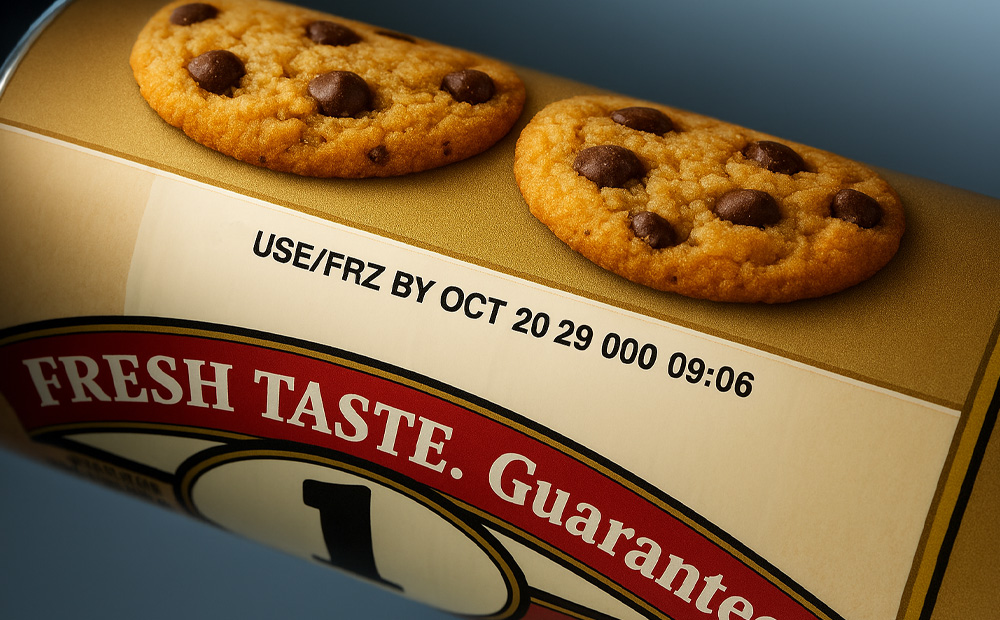
TTO offers a known total cost of ownership (TCO) over a five-to-seven-year horizon and supports a wide range of code content and film types, including black visibility on colored materials. Many operations already manage ribbons, line stops, and changeovers efficiently.
Hidden line items to model with UV cost items to include in TCO models
Laser extraction system investment, replacements filter, and laser source or optics service should be identified in comparison to historical ribbon and printhead spend.
What good looks like on the shop floor
- If your SKUs run on white TiO₂ films and you print short variable codes at high speeds, a UV laser coder can deliver permanent marks with minimal consumables and a compact footprint. Always ask for on‑product samples using your film.
- If you manage mixed packaging film colors or clear films, or frequently change layouts to include logos, 2D codes, or long text, TTO provides the most coding headroom without altering packaging substrates.
Why partner with Videojet
All the tools, one partner
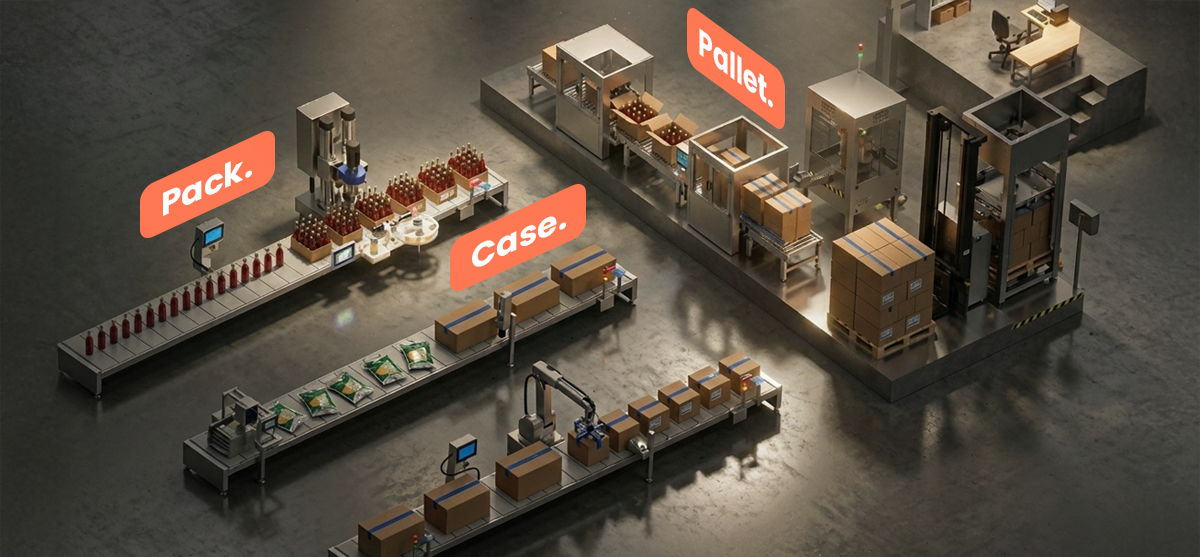
Videojet offers the full portfolio, including TTO, UV lasers, CO₂ lasers, fiber lasers, TIJ and CIJ technologies. This allows application testing to guide the decision rather than forcing a film or message into the wrong technology.
Evidence over assumptions
Sample testing in Videojet labs compares contrast, durability, and barrier safety on current and future films, including mono-materials, supported by practical TCO and OEE comparisons by our experts.
Seamless integration help
If UV is the right fit, Videojet will help specify the extraction unit, brackets, and controls for your packaging machine. If TTO is the better choice, ribbon usage and uptime can be optimized to support your production and sustainability targets.
See it on your film
Work with your Videojet sales engineer to send us your actual film and your code’s artwork and requirements. We will return TTO and UV laser samples with a recommendation based on your code, substrates, and line speeds.

Not sure which coding technology is right for your packaging line?
Our coding experts are ready to assist!
QR Code is a registered trademark of DENSO WAVE INCORPORATED.


