
German Printing Ink Ordinance (GIO) explained: What food packaging producers and suppliers need to know


What is the German Printing Ink Ordinance?
The German Printing Ink Ordinance (GIO) is a regulation requiring inks used on food contact materials (FCMs) in Germany to comply with a positive list of approved substances. Its primary goal is to prevent migration of harmful chemicals into food protecting consumer health.
The 21st Amendment to the German Consumer Goods Ordinance sets strict rules regarding food packaging inks. The GIO came into effect on January 1, 2022, and was initially planned to be fully enforced starting January 1, 2026, after a four-year transition period. However, on December 19, the German Federal Council (Bundesrat) approved a draft amendment to the 21st Ordinance amending the Consumer Goods Ordinance. The transition period for the GIO was extended by one year, from December 31, 2025, to December 31, 2026.
The German Printing Ink Ordinance aims to prevent harmful chemicals from migrating from packaging into food, improving consumer safety, and increasing transparency throughout the packaging supply chain. The GIO includes an approved “positive list” of substances which have been assessed for safety and are not known to be carcinogenic, mutagenic, or toxic for reproduction.
Who must comply with the ordinance?
All companies producing or supplying packaged food products to Germany, regardless of their location, must comply by 2027.
Why does the German Printing Ink Ordinance matter for food packaging?
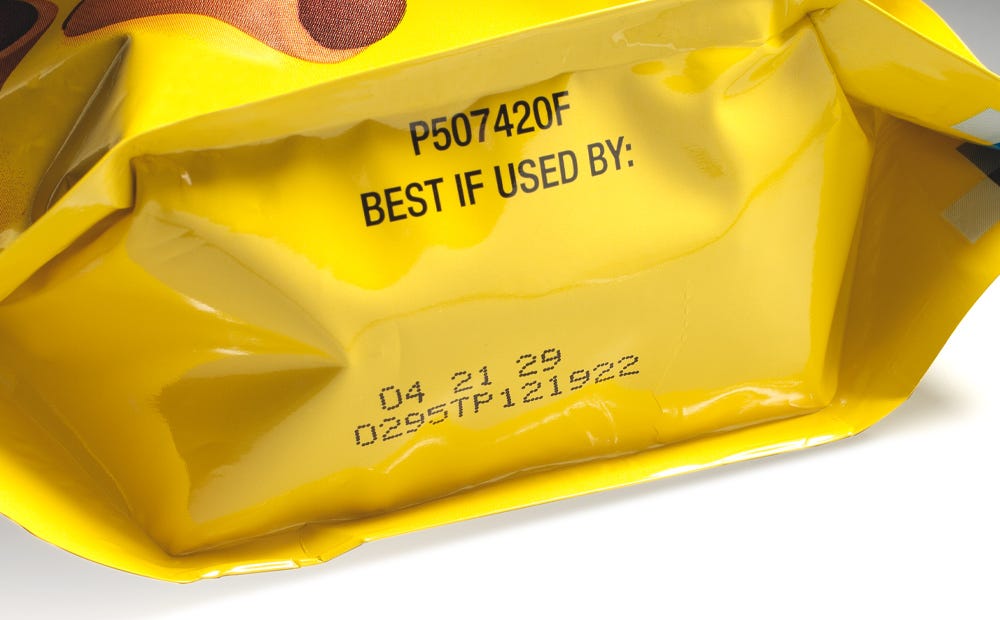
The GIO directly affects food manufacturers and packaging suppliers that operate in Germany, import packaged food to Germany, or supply printed packaging to German facilities. These manufacturers and suppliers must ensure that every food package with inks printed onto the food contact and non-food contact side meets the new regulatory requirements.
To demonstrate compliance of the packaged food product they sell, food manufacturers and suppliers may request:
- Declarations of Compliance (DoC)
- Technical Data Sheets (TDS) for FCMs
- Perform migration testing, when required, to document the concentrations of ink components which migrate in their products.
“Under the GIO, compliance isn’t just about the ink itself, it’s about proving what’s in it, how it behaves, and being able to trace every batch from formulation to final packaging.”
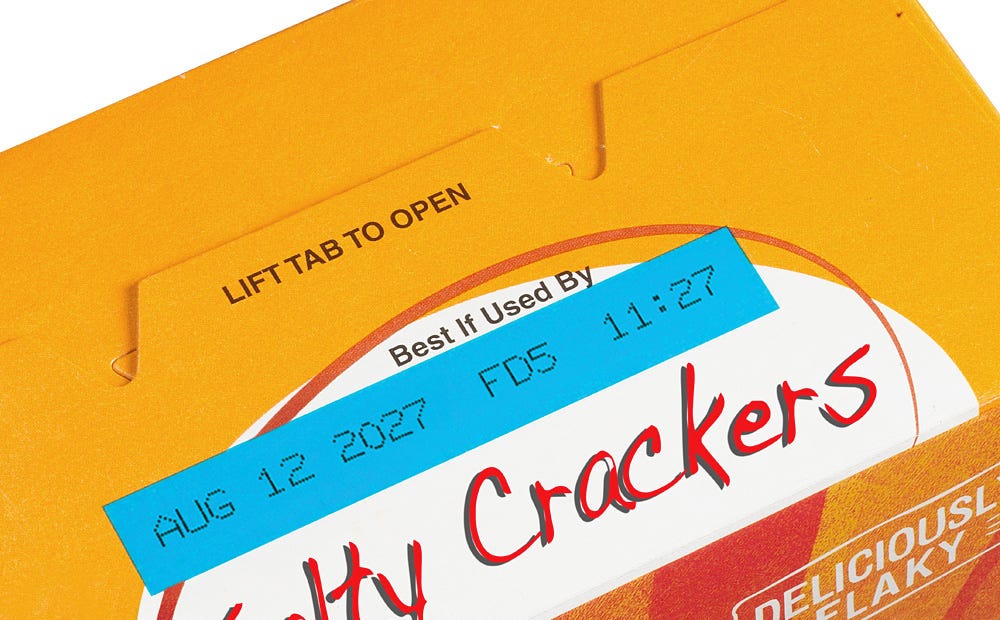
Best practice checklist for food manufacturers and packaging suppliers
| Requirement/challenge | Best practice / action steps | Key details/notes |
| 1. Positive list compliance | Use only substances (monomers, additives, colorants, solvents, photoinitiators) listed on the GIO positive list for food packaging inks. | For unlisted substances, prove migration ≤ 0.01 mg/kg. Update formulations as the list evolves. |
| 2. Migration testing & risk assessment | Conduct migration testing. If migration cannot be ruled out: – Follow EuPIA guidance – Assess NIAS (Non-Intentionally Added Substances) | Follow EuPIA guidance. Document all risk assessments and test results. |
| 3. Declarations of Compliance (DoC) | Obtain detailed statements of composition from suppliers. | Specify “safe by design” inks, not just those that pass tests. Maintain records for audits. |
| 4. Transition period management | Track and phase out non-compliant stock: – Existing stock of printed materials and inks: sell until Dec 31, 2026 – Pigment-based inks allowed until Dec 31, 2026 | Plan inventory and switch to compliant inks before deadlines. |
| 5. Functional barriers & exemptions | Identify FCMs with effective functional barriers; apply exemptions where justified. | When in doubt, treat all inks as direct food contact materials to minimize risk. |
“For many manufacturers, the GIO is more than a regulatory shift; it’s an opportunity to modernize their packaging processes and build greater trust through transparency and safer materials.”
Conclusion: Ready for GIO compliance, ready for the future
The German Printing Ink Ordinance represents a significant regulatory challenge for food packaging companies, but also an opportunity to strengthen consumer trust and supply chain transparency. With ongoing support as standards evolve, Videojet helps manufacturers stay compliant today and prepared for the future.

Boost your coding efficiency with proven solutions
Sources:
GIO English
TUV_R Template Customer Information
Bundesgesetzblatt Teil I – Verordnung zur Änderung der Bedarfsgegenständeverordnung und der Kosmetik-Verordnung – Bundesgesetzblatt
BedGgstV – nichtamtliches Inhaltsverzeichnis


