Achieving high-contrast codes without adding complexity to the line
pigmented CIJ printing, pigmented ink, continuous inkjet, high-contrast coding, inkjet maintenance
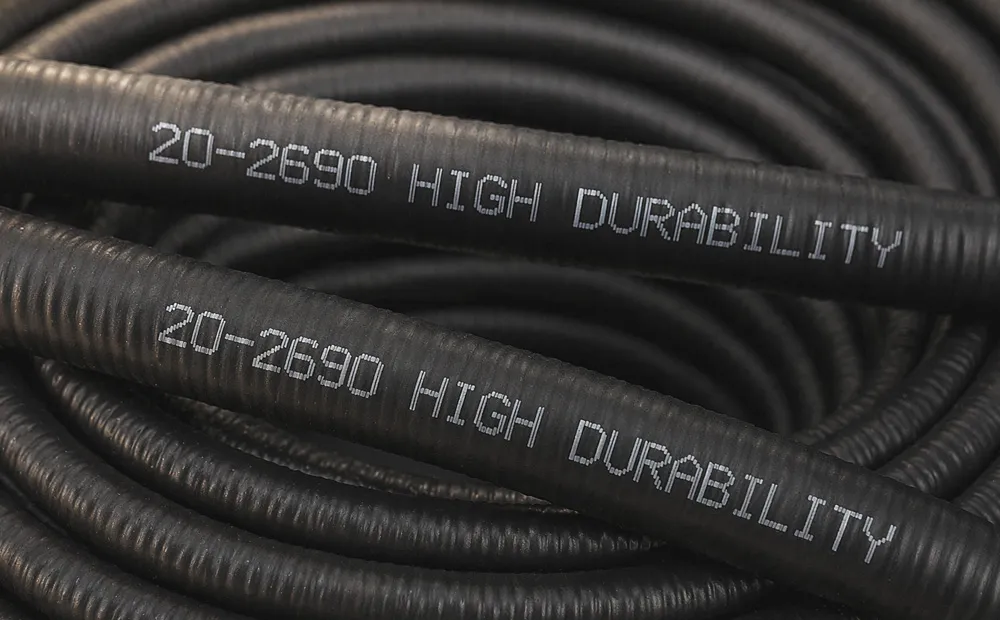
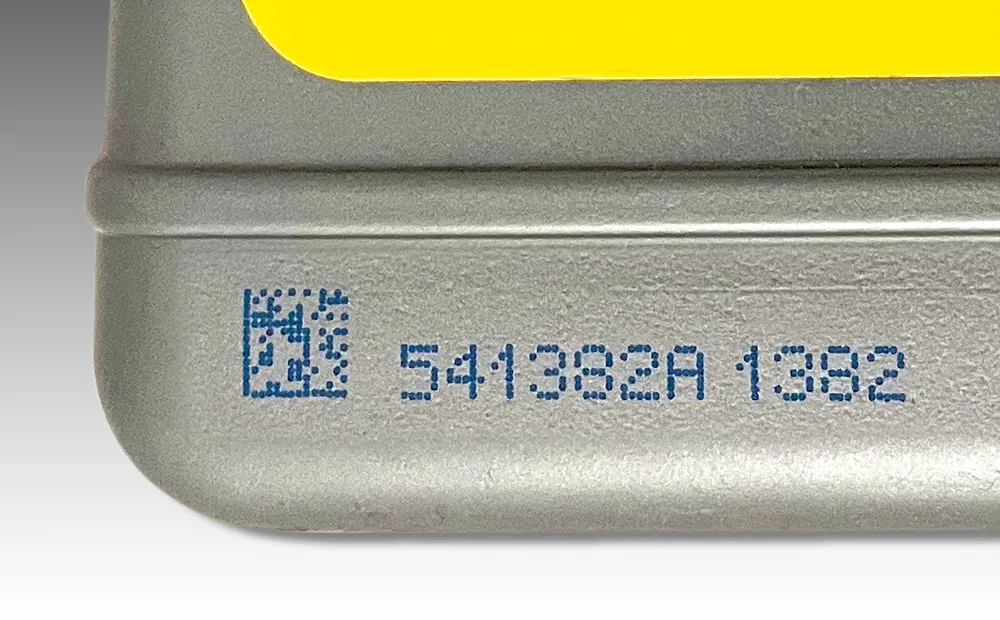
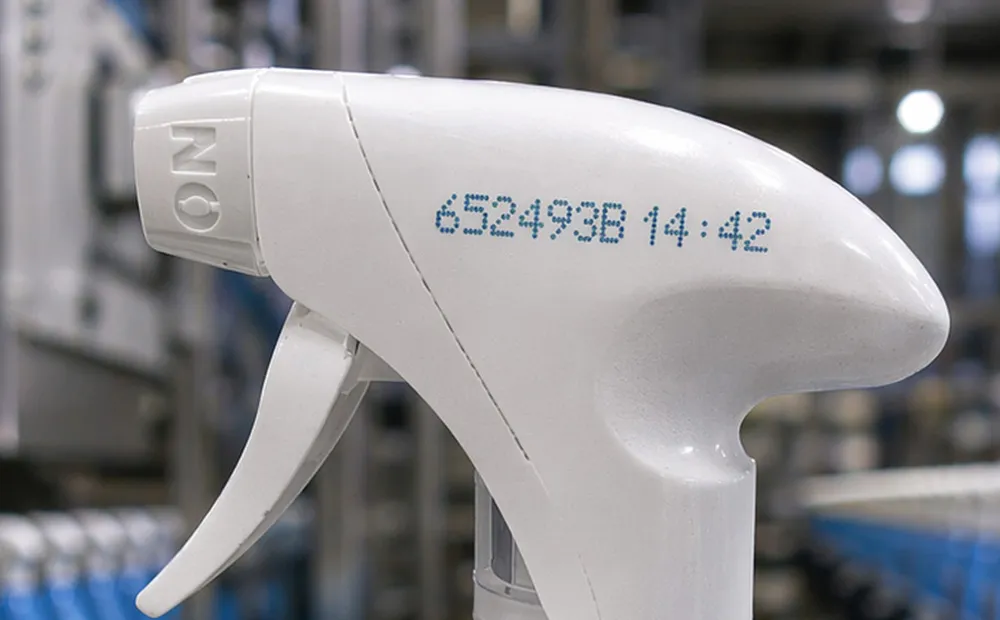
Clear, readable codes are essential for production, distribution, and traceability. When manufacturers need to print on dark, colored, or difficult-to-mark substrates, pigmented continuous inkjet (CIJ) printing is commonly used to create high-contrast codes. While pigmented inks can improve code visibility, they have historically required additional maintenance. Newer pigmented CIJ technologies are designed to help manufacturers achieve both high-contrast coding and more predictable operation.
High-contrast coding is used across a wide range of industries, from beverage and personal care products to industrial packaging and building materials. The goal is straightforward: make critical information easy to see and easy to read.
Why code contrast matters
A clear, readable code can support more than basic identification, including:
- Product traceability
- Quality inspections
- Inventory and logistics processes
- Reduced risk of misreads or rework
- Faster visual verification
When contrast is insufficient, even a correctly printed code may be more difficult to identify quickly during production or downstream handling.
The challenge with traditional pigmented coding
Pigmented inks are often selected because they create highly visible marks. Unlike dye-based inks, pigmented formulations contain solid particles that provide greater opacity and visibility on dark surfaces.
Historically, those benefits have sometimes come with operational tradeoffs. Pigment particles can settle over time, clog filters, and damage internal parts, which may contribute to increased maintenance requirements in some systems. Production teams may spend additional time cleaning equipment, managing startup procedures, or addressing unexpected interruptions.
The result is a common question: How do you achieve the contrast you need without creating more work for the people running the line?
What to look for in a high-contrast coding solution
Not every contrast printing application has the same requirements, but several considerations are common across industries.
Key considerations
- Code visibility
- Contrast appropriate for the substrate
- Consistent readability throughout production
- Ink stability
- Reliable pigment circulation
- Consistent code quality over time
- Maintenance requirements
- Predictable service intervals
- Minimal routine cleaning
- Restart performance
- Reliable operation following shutdowns
- Faster return to production
- Ease of operation
- Intuitive operator interface
- Reduced training requirements
Balancing visibility and uptime
Pigmented CIJ printing is typically used when manufacturers need highly visible codes on dark products, colored packaging, flexible films, metal components, glass, or other challenging substrates. The best solution is typically one that provides the required contrast while minimizing routine maintenance and production interruptions.
For many manufacturers, code quality and uptime are equally important. A highly visible code provides value only when it can be produced consistently throughout a production run.
Modern pigmented coding systems are increasingly designed to address both objectives. Improvements in ink management, printer design, and maintenance workflows aim to help manufacturers achieve reliable high-contrast codes while reducing the operational burden often associated with pigmented printing.
Signs your current solution may be creating unnecessary complexity
- Frequent printhead cleaning
- Repeated service interventions
- Long restart procedures after downtime
- Inconsistent code appearance
- Excessive operator attention
These challenges can add costs that are not always obvious if you are evaluating code quality alone.
A newer approach to pigmented CIJ printing
Advances in continuous inkjet technology have focused on addressing the maintenance and reliability concerns that have historically accompanied pigmented inks. Manufacturers looking for high-contrast coding solutions now have access to systems designed specifically to help reduce pigment buildup, improve uptime, and simplify routine operation.
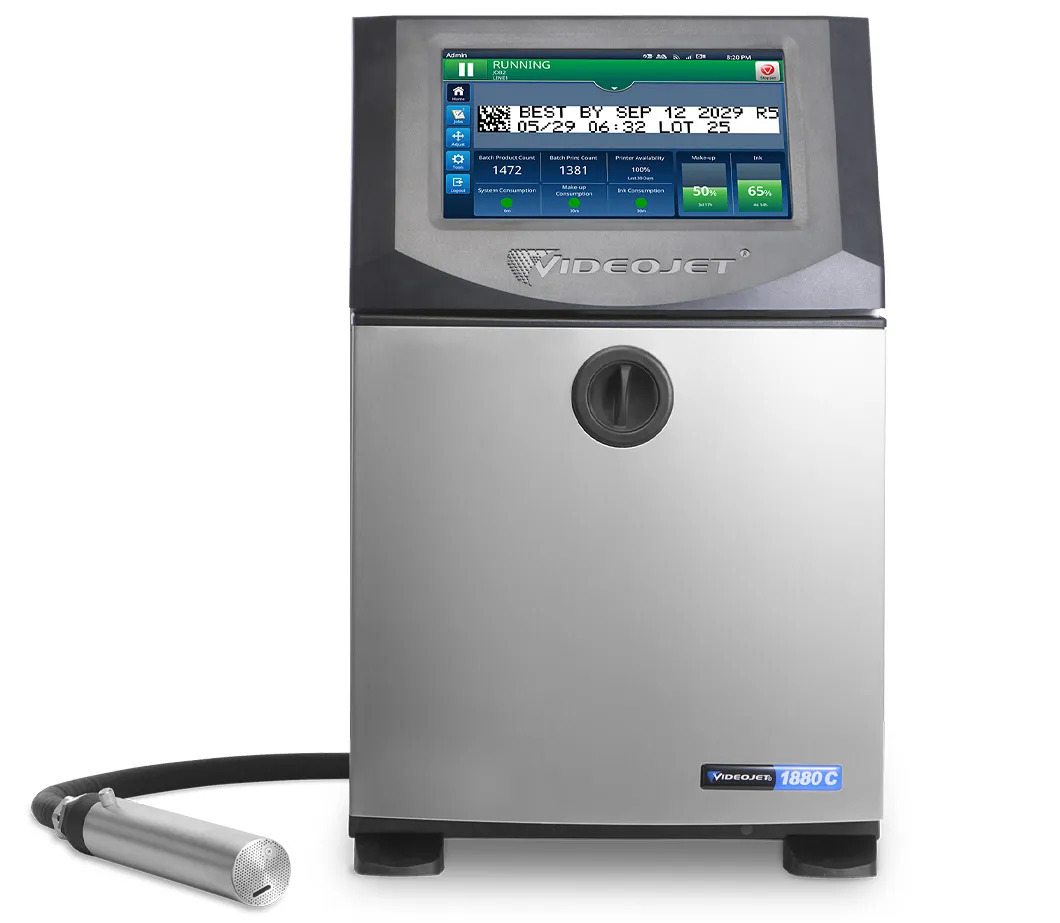
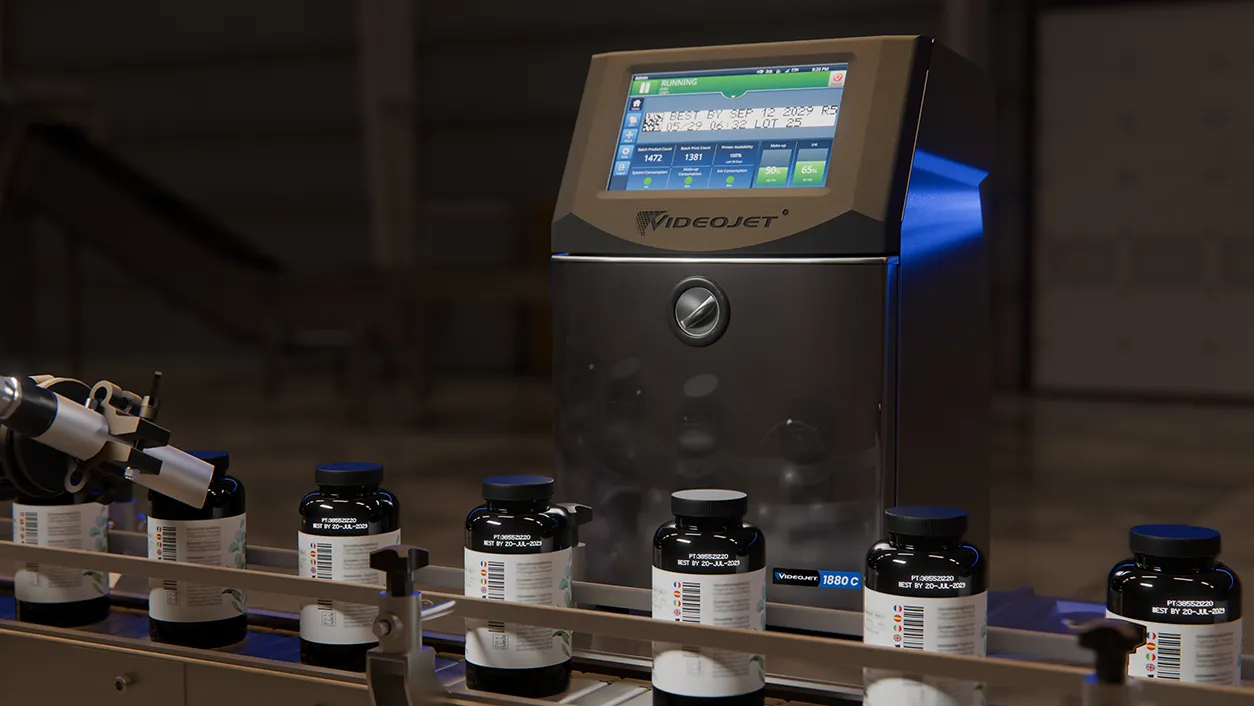
The recently introduced Videojet 1880 C reflects this shift in pigmented CIJ technology. Designed for hard and soft pigmented ink applications, this continuous inkjet printer helps reduce the cleaning, service calls, and unpredictable downtime often associated with traditional pigmented CIJ printing, while delivering high-contrast codes on challenging substrates. It also incorporates features designed to support predictable maintenance schedules and smooth restart after extended shutdowns.
Frequently asked questions
What is pigmented CIJ printing? Pigmented CIJ printing is a form of continuous inkjet printing that uses inks containing solid pigment particles. These particles help create highly visible codes on dark, colored, or difficult-to-mark substrates.
Why are pigmented inks used? Pigmented inks are often selected when manufacturers need greater code contrast than can be achieved with dye-based inks alone.
Why can printing with pigmented inks require more maintenance? Because pigmented inks contain solid particles, some systems may require additional circulation, cleaning, or maintenance to help maintain consistent print quality.
What should manufacturers look for in a CIJ printer that uses pigmented inks? Key considerations often include code visibility, ink management, maintenance requirements, restart performance, and ease of operation.
Key takeaways
Visibility is important, but long-term success also depends on factors such as uptime, maintenance requirements, restart performance, and ease of operation.
- Pigmented inks are often used when high code visibility is needed on dark, colored, or difficult-to-mark substrates.
- When comparing pigmented coding solutions, it is important to evaluate operational factors such as maintenance requirements, printer uptime, and how quickly production can resume after shutdowns.
- Advances in ink management and printer design are helping manufacturers achieve reliable high-contrast coding while reducing routine operator intervention.
As pigmented CIJ technology continues to advance, getting high-contrast codes no longer has to mean dealing with extra maintenance or added complexity. Today’s systems are designed to deliver the visibility benefits of pigmented inks while making day-to-day operation easier and more reliable.
To learn more about modern pigmented CIJ technology, explore the Videojet 1880 C product page or speak with a coding specialist about your application requirements.
When evaluating high-contrast coding solutions, manufacturers should consider more than code appearance alone.